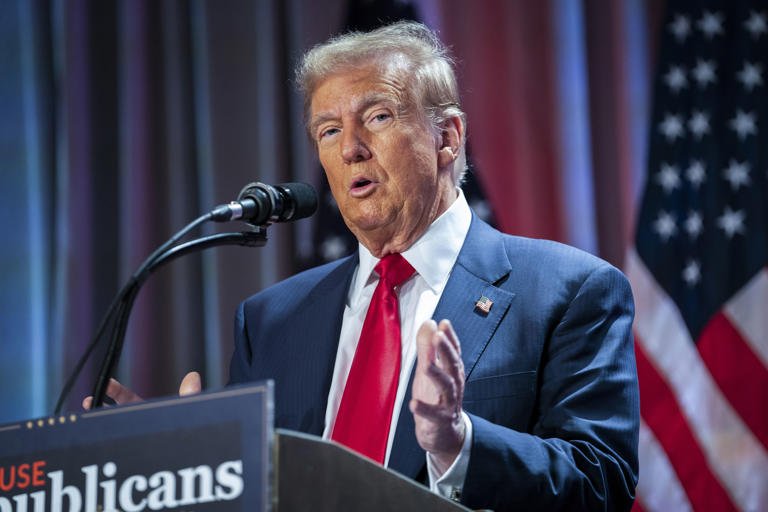
The United States is moving decisively toward a more structured approach to artificial intelligence, and EthicsAI now stands at the center of this shift. Today, AI influences hiring, finance, healthcare, and even national security. As a result, policymakers and industry leaders are actively redefining how these systems should be built and deployed. Most importantly, this change reflects a growing belief that strong innovation must go hand in hand with ethical governance.
Redefining National AI Governance
At the national level, leaders are placing EthicsAI at the heart of current AI policy discussions. Instead of restricting innovation, regulators aim to create clarity and consistency. As a result, developers gain confidence while users gain trust. Moreover, officials emphasize accountability, transparency, and responsible risk management across all AI applications.
For example, artificial intelligence systems now operate within healthcare diagnostics, financial assessments, and public services. Without clear safeguards, these tools can amplify bias or generate unreliable outcomes. Therefore, EthicsAI promotes explainable algorithms, ethical data usage, and continuous monitoring to prevent harm.
Industry Response and Institutional Support
Meanwhile, the private sector is responding positively to EthicsAI. Technology companies increasingly view ethical alignment as a competitive advantage rather than a limitation. In addition, consistent national standards help firms plan long-term investments and reduce regulatory uncertainty.
Furthermore, industry leaders argue that EthicsAI strengthens global trust in US-developed AI systems. As international scrutiny grows, ethical leadership improves credibility and market acceptance. Consequently, responsible governance may soon define global competitiveness.
Economic and Workforce Implications
From an economic perspective, EthicsAI strongly influences investment trends across the technology sector. Clear ethical expectations encourage venture capital while lowering long-term compliance risks. Therefore, startups and mid-sized companies gain a more predictable environment for growth.
At the same time, workforce transformation remains a priority. AI-driven automation continues to change job roles across industries. Because of this shift, EthicsAI aligns AI development with reskilling initiatives and workforce readiness programs.
The Road Ahead
Looking ahead, EthicsAI represents more than a regulatory concept. Instead, it marks a fundamental shift in how the United States defines technological progress. If government, industry, and civil society continue to collaborate, responsible AI adoption can accelerate. Ultimately, EthicsAI may determine how sustainably and ethically advanced technologies shape the nation’s future.