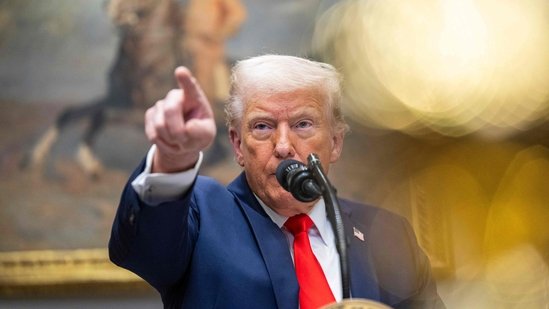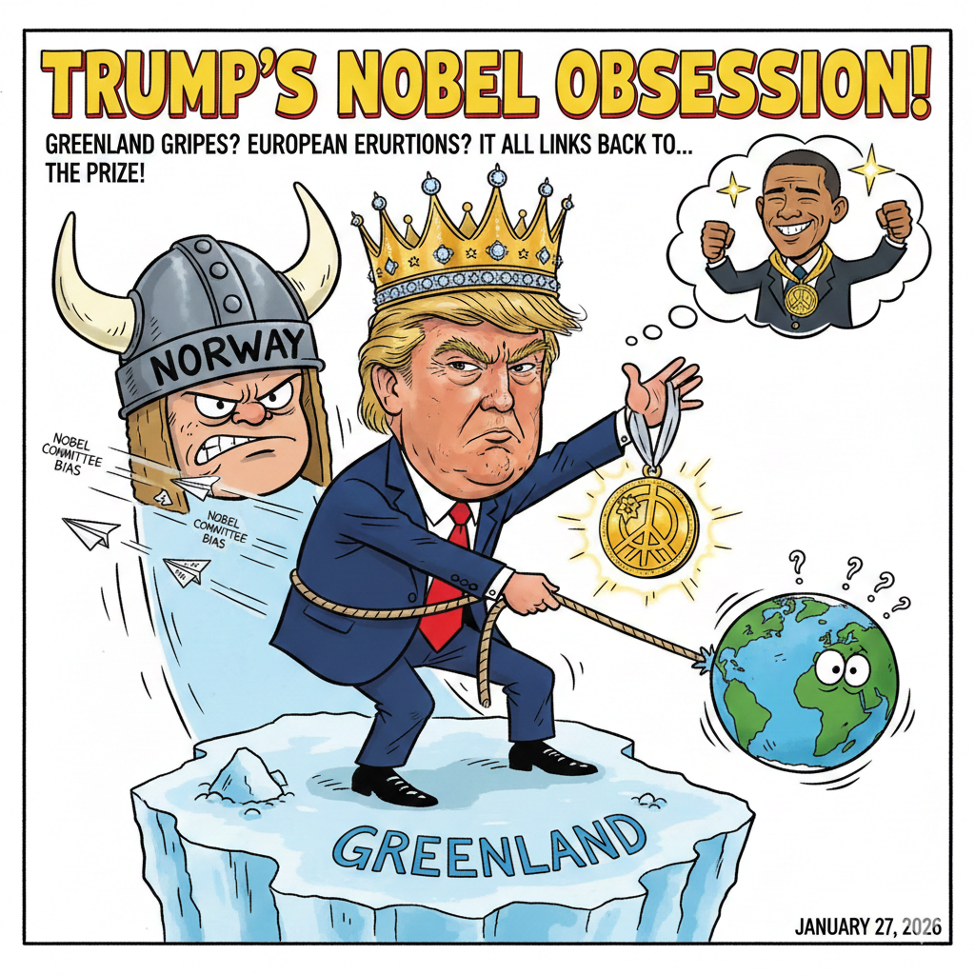
Donald Trump Nobel Peace Prize obsession has once again become a topic of debate after his recent remarks on global diplomacy, Europe, and Greenland. Trump has long argued that he deserves the Nobel Peace Prize for what he claims are major contributions to international peace, and this belief continues to shape both his rhetoric and foreign-policy approach.
Trump frequently points to past diplomatic efforts, insisting that he helped ease or prevent conflicts and therefore should have been honoured, particularly when compared with previous winners such as former President Barack Obama. According to Trump, the Nobel Peace Prize represents more than recognition — it is a symbol of global validation, historical legacy, and personal success.
Donald Trump Nobel Peace Prize Obsession and the Nobel Committee
A key element of the Donald Trump Nobel Peace Prize obsession is his repeated criticism of the Norwegian-based Nobel Committee. Trump has accused the committee of political bias, claiming it unfairly overlooks his achievements while favouring leaders aligned with its ideological preferences. He has also suggested that Norway, which hosts the committee, uses the prize as a political tool rather than an impartial honour.
This long-running frustration has fueled Trump’s confrontational tone toward parts of Europe, particularly when European leaders openly criticise his policies.
Greenland Strategy and Symbolic Power Politics
Trump’s hardline stance on Greenland and European relations is increasingly viewed through the lens of prestige politics. When European leaders dismissed or criticised his Greenland ambitions, Trump responded sharply, framing the pushback as disrespect toward American power and leadership.
Political analysts argue that Trump views bold geopolitical moves — such as asserting influence over strategic territories — as ways to demonstrate strength on the global stage. In this sense, the Donald Trump Nobel Peace Prize obsessionintersects with his Greenland strategy, as both reflect a desire to be seen as a decisive world leader whose actions shape history.
Legacy, Recognition, and International Image
For Trump, the Nobel Peace Prize is tied directly to how he believes history should remember him. Supporters see his approach as assertive diplomacy, while critics argue that his tactics risk alienating allies. Either way, the fixation on recognition helps explain why symbolic victories, public praise, and high-profile confrontations remain central to his leadership style.
As debates over Greenland, Europe, and global diplomacy continue, Trump’s pursuit of legacy and international validation remains a defining force behind his strategic decisions.