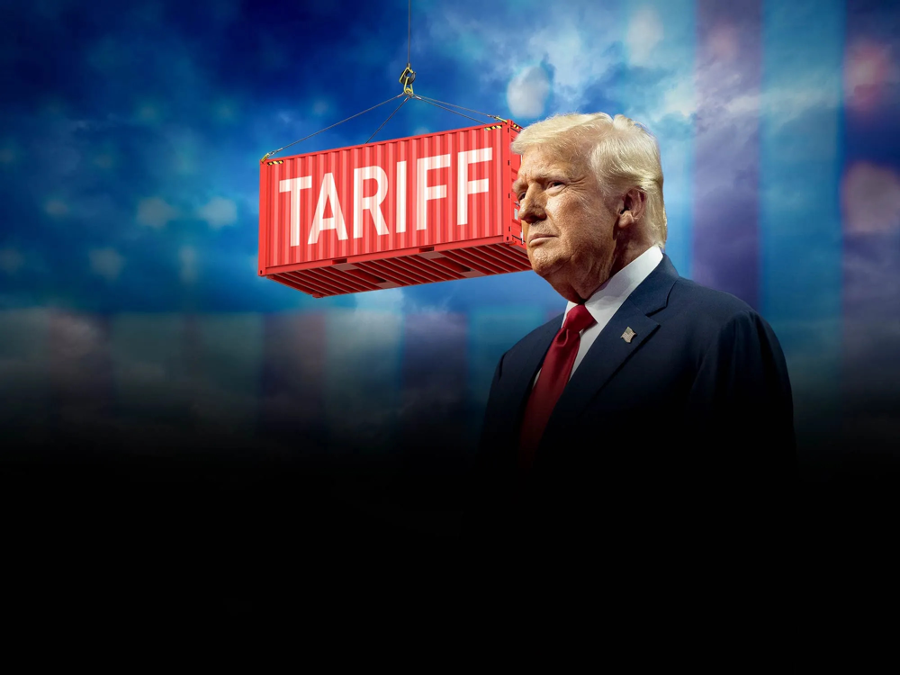
US trade policy 2026 has taken a sharper turn after President Donald Trump raised tariffs on South Korean imports to 25%, escalating trade tensions between Washington and one of its key Asian allies.
The new tariffs apply to a broad range of products, including automobiles, pharmaceuticals, lumber, and other manufactured goods. Trump said the decision was driven by South Korea’s failure to fully meet commitments under a trade agreement finalized last year.
In a social media post, Trump argued that the United States acted quickly to reduce its own trade barriers, while South Korean lawmakers have delayed formal approval of the deal. He said the higher duties would be imposed under what he described as “reciprocal tariffs,” signaling a tougher enforcement approach.
US Trade Policy 2026 and South Korea’s Response
South Korea said it had not received formal notice of the tariff increase and called for immediate consultations. The country’s Industry Minister Kim Jung-kwan is expected to travel to Washington to meet Commerce Secretary Howard Lutnick in an effort to defuse the dispute.
The tariff move has added strain to South Korea–US relations, even as both governments publicly emphasize the importance of dialogue and cooperation.
Market Reaction and Economic Impact
Financial markets in South Korea reacted cautiously. The benchmark Kospi index initially fell following the announcement but later recovered as shares of major exporters rebounded. Analysts said investors are weighing short-term trade risks against longer-term expectations of negotiation and compromise.
Because tariffs are paid by importing companies, US businesses will now face higher costs when purchasing South Korean goods, potentially feeding into inflation pressures and supply-chain disruptions.
Broader Trade Implications
The October trade agreement included a $350 billion South Korean investment commitment to the United States, with funding directed toward shipbuilding and strategic industries. While the deal was submitted to South Korea’s National Assembly in November, it remains under review and is expected to be approved next month.
Trump has continued to rely on tariffs as a central foreign-policy tool during his second term, recently issuing similar warnings toward Canada, China-linked trade discussions, and several NATO-aligned countries. Economists say the latest move underscores growing uncertainty in global trade relations.